Children's home in tiny hamlet would be too 'heavily car dependent'

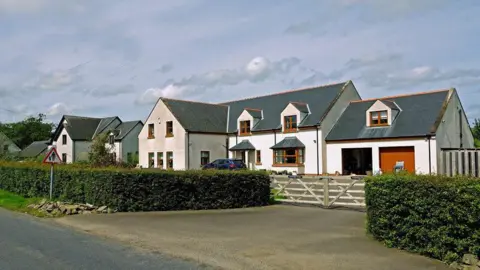 Angus and Mary Hogg
A council's refusal of plans to create a children's residential care home in a tiny hamlet in southern Scotland has been upheld at appeal.
Dumfries and Galloway Council (DGC) refused proposals to convert Corbridge House in Milton near Crocketford into a facility which could host up to four young people with complex needs.
Applicants CareTech argued that the building was ideal for a care home given its "tranquil yet easily accessible setting".
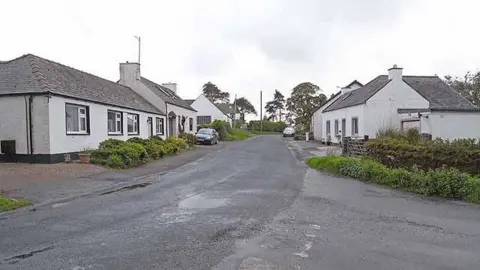
The case was taken to the Scottish government but a reporter concluded it would be "heavily car dependent" due to its remote rural location and the appeal was dismissed.
 Oliver Dixon
Officials had recommended that councillors approve the plans in September last year but they turned them down.
The local authority received a string of objections arguing it would be "completely incompatible with the existing peaceful ambience of the area".
The company behind the plans then decided to appeal against the refusal.
A Scottish government reporter dismissed some issues highlighted by nearby residents concluding there was "no evidence to support concerns raised in representations that children in care may be more likely to cause problems".
"I also have difficulty with the contention in representations that a rural area such as this is an inherently unsuitable location for children to live," he added.
However, he did raise concerns about the number of private car journeys it could generate.
"I do not consider it realistic that staff would ordinarily commute using public transport, given the site's remoteness, infrequency of bus services in Milton, and relative inconvenience compared to using a car," he said.
He also highlighted the lack of any facilities nearby.
"The nearest village of Crocketford is approximately 3.8km (2.4 miles) away but has very limited services," he said.
"Springholm appears to be slightly better served but is around 7.5km (4.6 miles) away."
Castle Douglas, Dalbeattie and Dumfries are all further away and require a journey on some "narrow roads".
Overall, he concluded the home would be better suited in a location "less reliant on private car journeys" and refused the appeal.
A statement from the company said it was "extremely disappointed" by the decision.
"We firmly believed that our proposal would have delivered real benefits to the community and provided much-needed support for vulnerable children," it said.
"While we respect the decision, we remain concerned that the outcome does not reflect the pressing need for high quality, nurturing care provisions in our region."