Why aren't our dirtiest roads getting cleaned?

 BBC
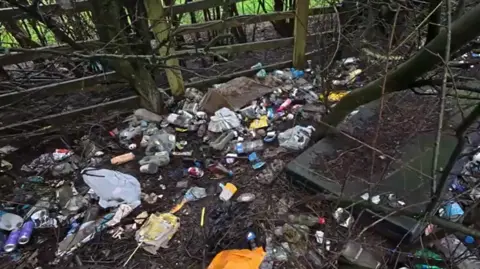
BBCLast month, on a stretch of the A38 in Derbyshire, the litter was so bad it was dubbed "Britain's most repulsive road" by environmental campaigners.
Footage of the roadside in Willington showed it so strewn with rubbish, the grass underneath was barely visible.
So, who is responsible for keeping our roads tidy?
National Highways has the job of overseeing maintenance and clearing up litter on the major motorways and some A-roads. Local authorities, it says, are legally responsible for litter collection on the rest of England's roads.
But confusion can set in over land where National Highways' remit covers road maintenance, but not litter on verges.
It means stand-offs can often ensue between local councils and National Highways over who cleans up the rubbish and foots the bill for it.
The A38 is a case in point.
When the footage by campaign group Clean Up Britain was widely shared, South Derbyshire District Council denied it was responsible for litter clearing there, but eventually accepted responsibility after discussions with National Highways.
'Dangerous work'
When councils do take action at problem spots, they stress it is a difficult and costly job.
The A38 also runs through Amber Valley Borough Council's area.
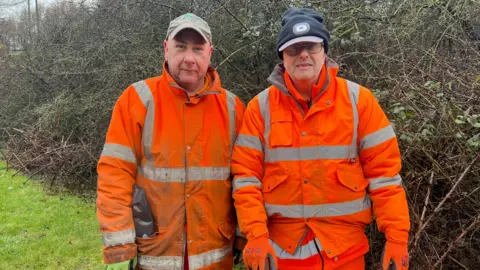
It employs litter pickers like Tim and Nigel to tackle the mess left by drivers on the roadsides.
The authority's cabinet member for street pride, Amina Burslem, says it's not just expensive, but dangerous to work on the side of major roads.
Asked for her response to those who say the council does not pull its weight, she says: "Well, the council do do something about it. Twelve hours a day, every day... you're just seeing new litter.
"It's an impossible task."
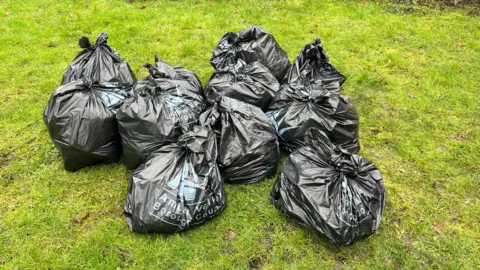
The council says its "spring clean" of some of the borough's messiest roads - which will involve road closures every weekend from March to April - could cost it as much as £40,000 a month.
It is money, Burslem says, that could be spent elsewhere if drivers were more responsible.
The council also says it needs to wade through a lot of bureaucracy with National Highways in order to arrange large clean-up operations.

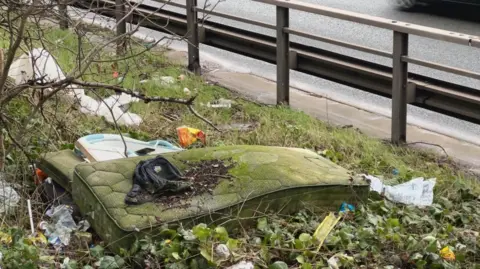
In nearby Derby, Conservative councillor Jonathan Smale says he has been trying to get a section of the A52 in Spondon cleared for 18 months.
The area is strewn with mattresses and other waste.
"It's an area I don't like coming to because I know how bad it is," he says. "It brings a bit of shame to the community."
However, unlike in Amber Valley, the Labour-run Derby City Council has told the councillor that keeping the verges of this major road tidy is nothing to do with them - something that National Highways disputes.
"There needs to be some sort of an agreement between councils and highway authorities as to who is responsible... there's a lot of passing the buck," he says.
"I just would like some more accountability."
It is understood National Highways is talking to the council to try to resolve the situation.
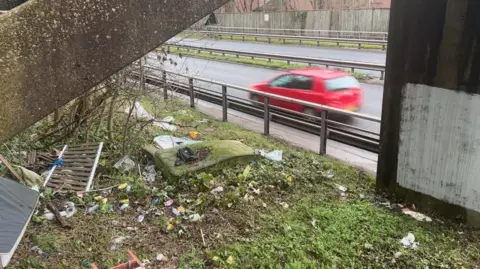
National Highways insists it is working hard to keep the roads under its remit clean.
However, it added: "The simple truth is that if people didn't drop litter in the first place it wouldn't need to be picked up and we wouldn't need to close roads delaying drivers and costing taxpayers millions of pounds - so we urge people to take their litter home with them."
It is a view shared by Nigel, picking litter in Amber Valley. He also wants drivers to stop and think about what they're doing.
"There's nobody taking pride in where they live these days," he says.
"Let's try and make Britain tidy again, like it used to be."
Follow BBC Derby on Facebook, on X, or on Instagram. Send your story ideas to eastmidsnews@bbc.co.uk or via WhatsApp on 0808 100 2210.